Flexible Work Arrangements
One of the biggest workplace expectations today is flexibility. Employees no longer believe productivity is measured by the number of hours spent sitting at a desk. Instead, they want the freedom to work in ways that help them perform at their best while maintaining a healthy work-life balance.
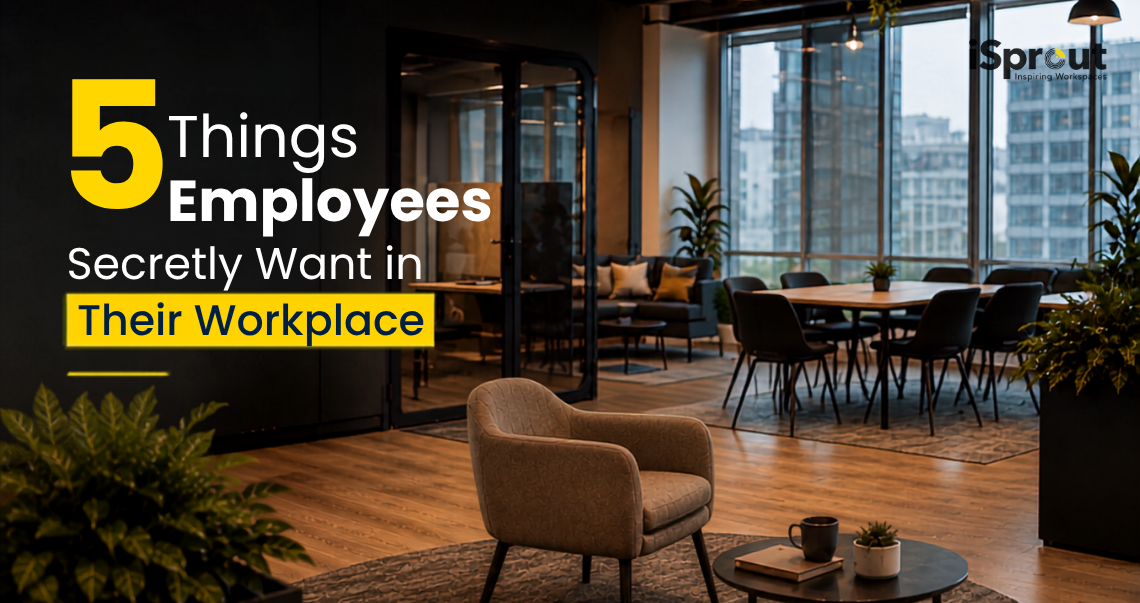
Modern managed office spaces support this shift by offering flexible office layouts, private cabins, meeting rooms, collaborative zones, and breakout spaces that accommodate different work styles. Businesses operating from managed offices can easily adapt their workspace as teams grow or business needs change without worrying about infrastructure management.
Employees particularly value:
- Flexible working hours and hybrid work support.
- Collaborative workspaces for teamwork.
- Quiet areas for focused work.
- A results-oriented work culture rather than strict schedules.
When employees have greater flexibility supported by a thoughtfully designed office, they tend to be more productive, motivated, and satisfied.
Opportunities for Growth and Development
Employees want to feel that their careers are moving forward. Continuous learning, skill development, and career progression help keep people engaged and committed to an organization.
A well-equipped managed office provides businesses with dedicated training rooms, conference facilities, presentation spaces, and meeting rooms that make employee development easier. Companies can organize workshops, knowledge-sharing sessions, onboarding programs, and leadership training without investing in additional infrastructure.
Organizations can encourage growth by offering:
- Professional training and certification programs.
- Mentorship opportunities.
- Internal learning sessions.
- Clearly defined career advancement paths.
When employees see that their workplace supports their personal and professional development, they are more likely to remain loyal to the organization.
A Healthy Work-Life Balance
Maintaining work-life balance has become essential for employee well-being. Long working hours and constant pressure often lead to stress and burnout, affecting both productivity and job satisfaction.
The physical office environment plays a significant role in supporting employee wellness. Many managed office spaces now include ergonomic furniture, wellness rooms, cafeterias, recreation areas, natural lighting, and comfortable breakout spaces that allow employees to recharge throughout the day.
Organizations can further promote work-life balance by:
- Offering flexible leave policies.
- Respecting boundaries outside working hours.
- Supporting personal commitments.
- Providing wellness-focused workplace amenities.
An office designed around employee comfort creates a healthier and more productive workforce while reducing burnout and absenteeism.
A Positive Company Culture
Company culture extends beyond policies and leadership it is also influenced by the workspace itself. Employees want to work in an environment where they feel welcomed, respected, and connected to their colleagues.
Managed office spaces are designed to encourage collaboration through open seating, networking lounges, shared community areas, and modern meeting spaces. These environments naturally promote interaction, teamwork, and stronger workplace relationships.
A positive workplace culture is built by:
- Promoting diversity and inclusion.
- Encouraging collaboration across teams.
- Organizing employee engagement activities.
- Creating comfortable social and collaborative spaces.
When employees genuinely enjoy their workplace environment, they become more engaged, creative, and committed to organizational success.
Health and Wellness Support
Employee well-being has become a priority for organizations looking to build high-performing teams. A healthy workforce is generally more productive, engaged, and resilient.
Today's managed office providers increasingly incorporate wellness into workplace design through ergonomic workstations, fitness facilities, wellness rooms, healthy cafeterias, improved air quality, and access to natural light. These features help employees maintain both physical and mental well-being throughout the workday.
Organizations can support wellness by providing:
- Mental health resources and counseling.
- Ergonomic office furniture.
- Fitness and wellness initiatives.
- Comfortable breakout and relaxation areas.
- Healthy workplace design that promotes movement and collaboration.
Choosing a workspace that prioritizes employee wellness demonstrates a genuine commitment to creating a positive employee experience.
Final Thought
Employees don't simply want a place to work, they want a workplace where they can grow, collaborate, feel appreciated, and maintain a healthy work-life balance. While competitive salaries remain important, factors such as flexibility, career development, recognition, workplace culture, transparent communication, wellness, and thoughtfully designed office spaces often have an even greater impact on employee satisfaction.
This is where managed office spaces make a meaningful difference. By combining modern infrastructure, flexible work environments, employee-friendly amenities, and collaborative workspaces, businesses can create an office experience that attracts top talent and improves long-term employee retention.
Investing in the right office space is no longer just a business decision, it's an investment in employee happiness, productivity, and the future success of the organization.