Why Owning Office Space Stopped Making Sense
Think back fifteen, twenty years. Big office = successful company. Simple as that. You'd tour the space, negotiate for months, sign the lease, then spend a fortune on fit-outs. Custom conference rooms. Branded lobbies. The works.
But something changed. Markets started moving faster than lease agreements could keep up with. Teams went remote. Then the hybrid. Growth became unpredictable — you might need fifty new desks next quarter, or you might need to cut back. Who knows? Suddenly, those ten-year commitments felt less like stability and more like handcuffs.
So businesses started asking different questions. Not 'how much space can we afford?' but 'what kind of space do we actually need right now?' And more importantly: 'What will we need six months from now?' Traditional real estate couldn't answer those questions. WaaS can.
Breaking Down What WaaS Actually Is
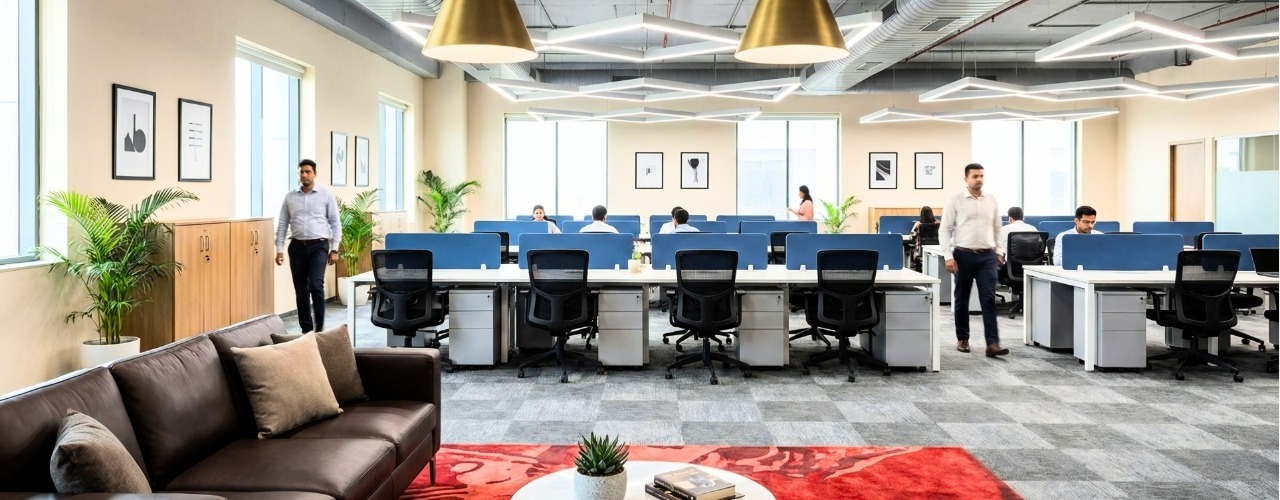
Here's how it works in practice. You get a fully equipped workspace without the hassle of managing everything yourself. Coworking spaces, managed offices, meeting rooms on demand, hub-and-spoke setups across multiple cities. Whatever your business needs.
The numbers tell the story; companies using WaaS typically slash facility costs by around 20%. Space efficiency goes up by 25%. Those savings add up fast when you're operating across several locations.
But the real difference? It's not just about the physical space. You're getting a complete package. High-speed internet that actually works. IT support when something breaks. Reception services. Security. Cleaning. Utilities. Even community management. One monthly fee covers everything.
Why Smart Companies Are Jumping On This (WaaS)
This isn't some passing trend. There are solid business reasons behind the shift, primarily focused on financial agility and the ability to scale without friction.
The Money Thing
Traditional leases eat capital like crazy. Security deposits, fit-out costs, furniture, long-term commitments—it's easy to burn through hundreds of thousands before you even open the doors.
And here's the kicker: once that money's spent, it's locked in. You can't suddenly pivot to hiring when you land a big client. Can't use it for product development when a competitor launches a new product. WaaS flips this on its head. Capital expenses become operational ones. That flexibility? It's not just nice to have. For fast-moving companies, it can mean the difference between capturing opportunities and missing them entirely.
Growth Doesn't Happen in Straight Lines
Real talk—no business grows predictably. You land a major contract and suddenly need space for fifty people next month. Or market conditions shift, and you need to tighten up fast. We've seen companies stuck paying for three floors of empty office space because they couldn't get out of their lease. That's painful to watch.
WaaS providers work on flexible terms. Monthly agreements in some cases. Does your team expand? Add space. Need to consolidate? Scale back. It aligns with how businesses actually operate, rather than forcing you into a rigid framework that made sense twenty years ago but no longer works.
Multi-City Expansion Without Losing Your Mind
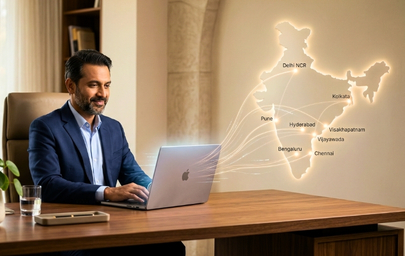
Want good talent? You need presence where the talent is. Which increasingly means multiple cities. But opening traditional offices in different locations is brutal. Different regulations everywhere. Finding local vendors. Managing separate lease agreements with different landlords who all have their own quirks and requirements.
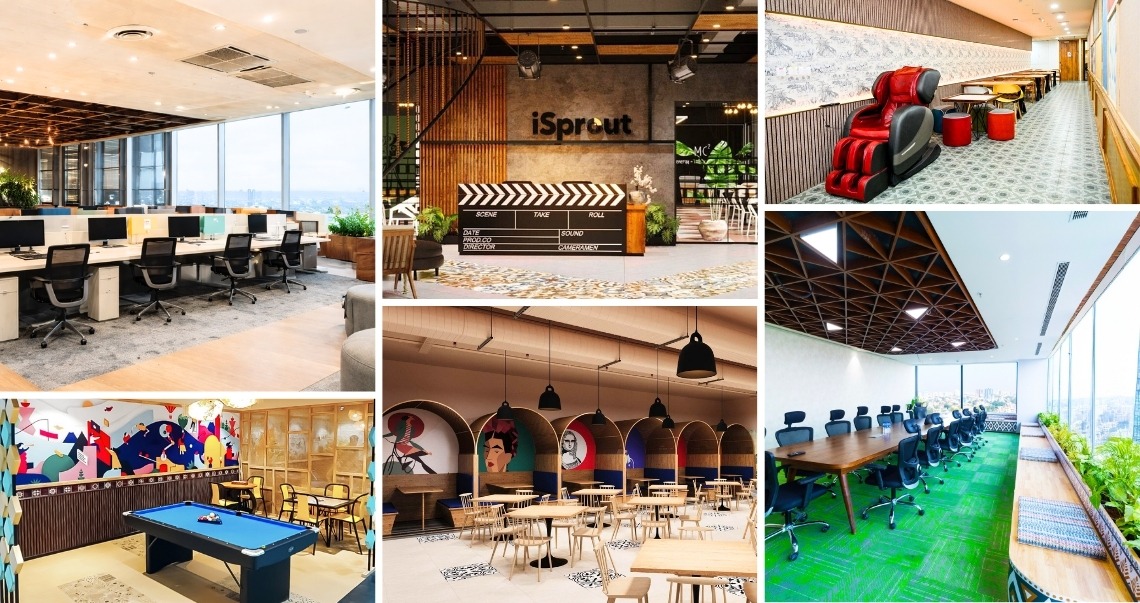
Platforms like iSprout and Qdesq figured this out. They give you access to workspace across major Indian cities through one agreement. One relationship. Multiple locations. You're no longer juggling five landlords and fifteen service providers. That alone is worth the switch for many companies.
Getting Your Time Back
Facility management is a resource drain that is not discussed enough. Someone's got to handle HVAC maintenance. WiFi issues. Vendor relationships. Office supplies. Repairs. The coffee machine is breaking for the third time this month. It never ends.
Rough estimate: you're looking at 150 administrative hours per year for every 10,000 square feet just keeping things running smoothly. That's almost a full month of someone's time, gone. With WaaS, that becomes somebody else's problem. Your leadership team can focus on strategy instead of debating which janitorial service to use.
How This Actually Gets Executed At Scale
Delivering Workspace as a Service across multiple cities requires serious infrastructure. Platforms that can consistently source spaces, deploy them quickly, and manage everything without things getting messy.
This is where aggregators like Qdesq come into the picture. Instead of companies dealing with fragmented vendors and operators all over the place, you get one platform handling everything. Managed offices, coworking spaces, and custom-built workspaces across India — all through a single engagement.
The Technology Piece
Good WaaS platforms leverage technology to deliver an experience better than traditional offices ever could. Smart booking systems allow users to reserve desks or meeting rooms in advance via their phones. Mobile apps handle access control and visitor management. No more lost guest badges or awkward lobby situations.
Analytics dashboards show decision-makers what's actually happening with space utilisation in real-time. Not guesses. Not assumptions. Real data. That matters more than you'd think. Most companies discover they need way more collaboration areas and far fewer individual desks.
Making Hybrid Work Actually Function
Hybrid work is standard now. But it needs workspace solutions that can accommodate both routine workflows and spontaneous collaboration. WaaS handles this pretty well.
Dedicated desks for people coming in regularly. Hot desks for occasional visitors. Day passes for remote employees who need a change of environment. Meeting rooms are available on demand for client presentations or team sessions. The workspace becomes a network of options rather than a single fixed address everyone's expected to show up to.
What About Company Culture Though?
Some people worry flexible workspace means losing company culture. Fair concern. But good WaaS providers have thought this through. Many offer customizable private suites that allow teams to maintain their corporate identity while accessing shared amenities and networking opportunities.
Plus — and this surprised us when we first saw the data — community events and shared spaces often encourage more cross-team interaction than traditional offices. Employee satisfaction goes up. Some companies find their culture strengthens because people have more opportunities to collaborate and connect beyond their immediate team.
Building in Future-Proofing
Maybe the biggest reason to consider WaaS? You're not betting on how work will look five or ten years from now. Because here's what we know: work keeps changing. Technology advances. What employees expect from their workplace varies by generation.
If you're locked into a long-term lease, you risk ending up with space that doesn't fit what your business actually needs. WaaS builds adaptability from the start. When AI and new collaboration tools change how teams work together, WaaS environments can evolve with them. When employees begin to demand more wellness-focused design or sustainability features, providers can implement them across their portfolios.
How Companies Actually Make The Switch
Thinking about WaaS? You don't need to go all-in overnight. Most enterprises adopt a hybrid approach. Keep some traditional office space while using WaaS for expansion, satellite locations, or specific teams.
Test the model. Look at the data it generates. Then scale from there based on what you learn. The key is to start with real workspace needs rather than assumptions. Look at actual utilisation numbers. Review growth plans honestly. Then find providers offering transparency, flexibility, and proven operational reliability.
Where This All Leads
The future of enterprise real estate isn't about owning the biggest headquarters or signing the longest lease. It's about accessing the right workspace, at the right time, in the right locations, exactly when and where your business needs it.
Providers like iSprout and QdesQ are making that vision practical and scalable across India's evolving workspace landscape. They're not just offering office space. They're offering the flexibility modern businesses need to survive and thrive.
Final Thought
Workspace as a Service represents more than just a trendy new approach to leasing office space. It's a fundamental shift in how organisations think about their physical work environments. Companies today face uncertainty, pursue growth, and compete for talent in markets that have gone fully global. Being able to adapt the workspace quickly and efficiently? That's become a competitive advantage. WaaS delivers that advantage while reducing financial risk, administrative burden, and operational complexity. Which, honestly, is what matters most when you strip away all the corporate speak and get down to it.